II. Sādhana Pāda · Fruits of the observances (2.40–2.45)
2.41 · The Bright Mind
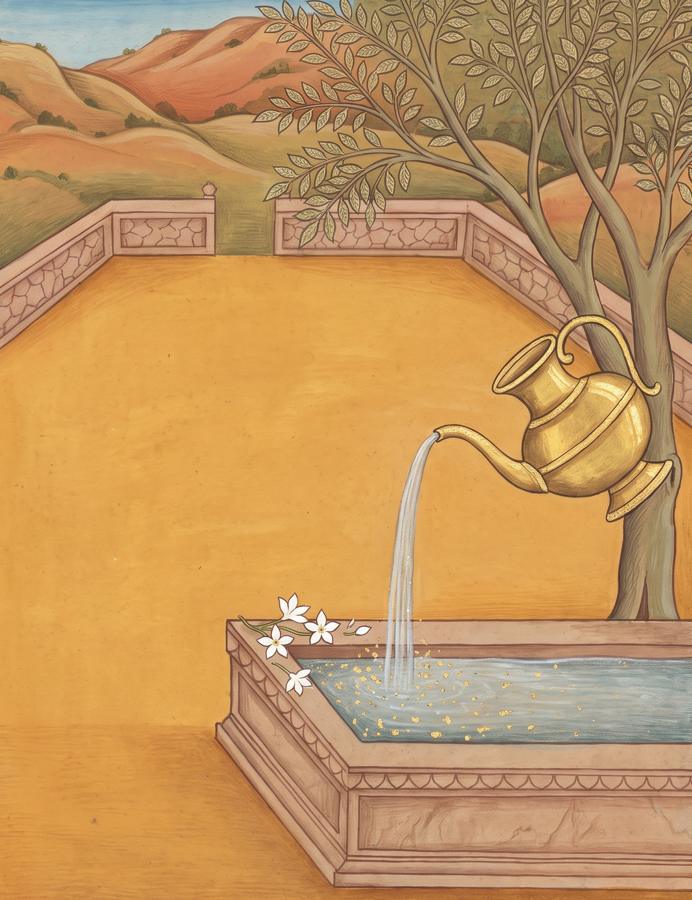
From purity also come clarity of mind, cheerfulness, one-pointedness, mastery of the senses and fitness to see the self.
Word by word
- sattva-śuddhi
- purity of mind
- saumanasya
- cheerfulness, good-heartedness
- ekāgrya
- one-pointedness
- indriya-jaya
- mastery of the senses
- ātma-darśana
- seeing the self
- yogyatvāni
- fitness for
- ca
- and also (from purity, 2.40)
Where it fits
Vyāsa joins this to 2.40 with "furthermore" and says these fruits come from steady purity (Woods p. 188). The chain runs from a clear mind to fitness to see the self, the aim of discernment (2.26). The next observance in the order of 2.32, contentment, follows (2.42).
Reading
Vyāsa reads these further fruits of purity as a chain, each arising from the one before. Clarity of mind gives cheerfulness, cheerfulness gives one-pointedness, then comes mastery of the senses, and last the mind's fitness to see the self. The order matters. Saumanasya, cheerfulness or good-heartedness, comes before concentration. A mind that is bright and good-humoured settles far more easily than one that is grim.
Vyāsa
“For one who is pure comes clarity of mind; from that, cheerfulness; from that, one-pointedness; from that, mastery of the senses; and from that, the intellect's clear aspect becomes fit to see the self.”
Vyāsa's Yoga-bhāṣya, the oldest commentary. New translation from the Sanskrit, with reference to Woods (1914), p. 188.
Practice
Before you practise today, do something that genuinely cheers you: music, a short walk, a good joke. Then sit, and notice whether the mind settles more easily.
A question to sit with
What would brighten your mind?
Key ideas
aṣṭāṅga (the eight limbs), viveka (discernment), puruṣa (the seer, the self)