II. Sādhana Pāda · The eight limbs (2.29–2.32)
2.32 · The Five Observances
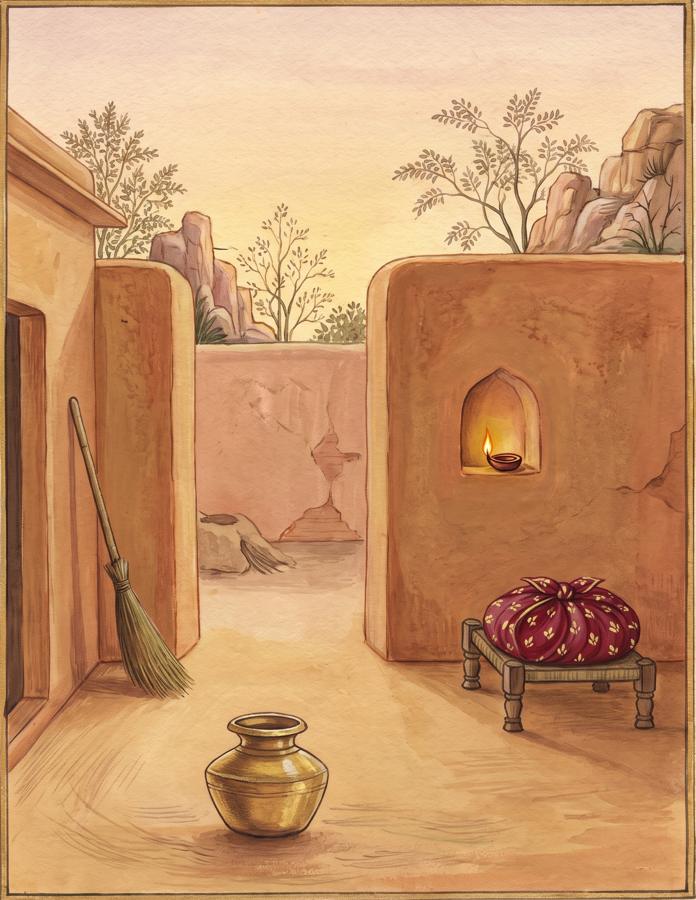
The observances are purity, contentment, discipline, study and devotion to Īśvara.
Word by word
- śauca
- purity, cleanliness
- saṃtoṣa
- contentment
- tapaḥ
- discipline; heat
- svādhyāya
- study and recitation of sacred texts
- īśvara-praṇidhānāni
- devotion to Īśvara
- niyamāḥ
- observances
Where it fits
The second limb: five observances, the last three being the yoga of action from 2.1, now placed inside the eight limbs. Vyāsa ends his comment by recalling 1.29: from devotion come realisation of the inward self and the falling away of obstacles (Woods p. 182). 2.33 meets what disrupts both limbs.
Reading
The second limb is how you treat yourself: purity, contentment, and then the three fires of kriyā yoga from 2.1, met again. The restraints hold back; the observances cultivate. Notice that contentment sits right beside discipline. The effort Patañjali asks for comes from a place of enough, not from lack.
Vyāsa
“Inner [purity] is washing away the stains of the mind. Contentment is not wanting more than the means one already has. Discipline is bearing the pairs of opposites, and the pairs are hunger and thirst, cold and heat, standing and sitting, total silence and silence in speech …”
Vyāsa's Yoga-bhāṣya, the oldest commentary. New translation from the Sanskrit, with reference to Woods (1914), p. 181.
Practice
In the morning, clean one small space (purity). At midday, name three things that are already enough (contentment). In the evening, do one difficult thing, read one page of a text you value, and offer the day.
A question to sit with
Which observance would steady you now?
Where commentators disagree
What is the 'inner' cleanliness of śauca, and does śauca include special cleansing practices?
- Vyāsa
- Outer cleanliness comes from earth, water and the like, and from pure food; inner cleanliness is the washing away of the stains of the mind. (Woods 1914, pp. 181–182)
- Vācaspati Miśra
- Names the stains: arrogance, pride, jealousy and the like. Their removal is cleanliness of the mind. (Woods 1914, p. 182)
- Bhoja
- The inner washing is done by friendliness and the other attitudes, that is, the four attitudes of 1.33. (Tatya 1885, p. 76; Mitra 1883, wisdomlib on 2.32)
- Rajendralala Mitra
- Warns that śauca here has its ordinary sense and does not mean the six cleansing acts (ṣaṭkarma) of haṭha texts such as the Gheraṇḍa Saṃhitā, which he describes and says the best yogins regard as unnecessary. (Mitra 1883, note and addendum on 2.32 (wisdomlib))
Key ideas
aṣṭāṅga (the eight limbs), kriyā-yoga (the yoga of action), īśvara (the Lord)