IV. Kaivalya Pāda · The cloud of dharma and the end (4.29–4.34)
4.33 · The Old Garment
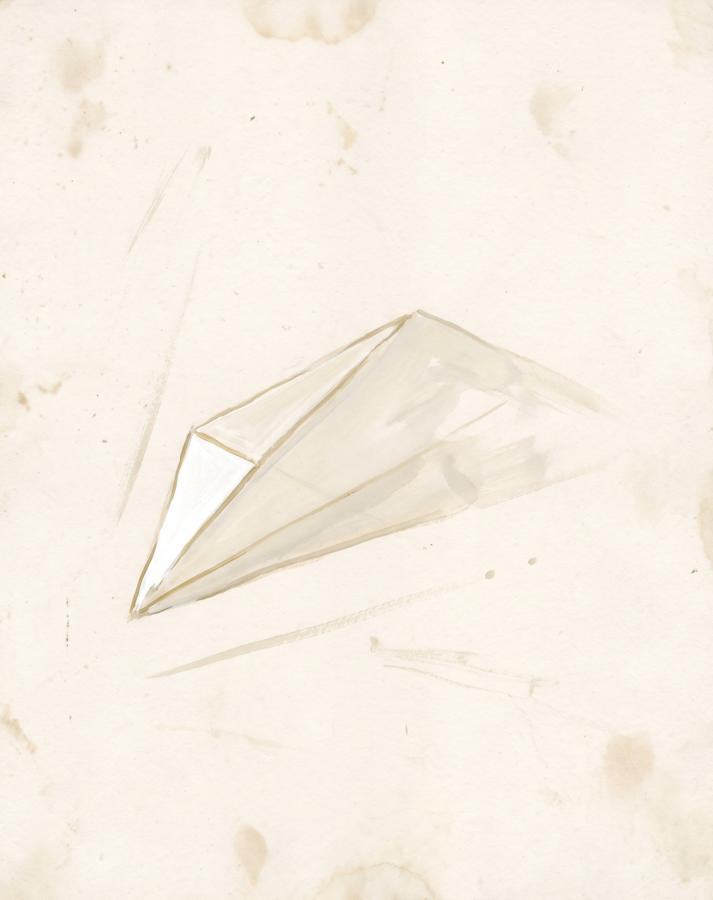
Sequence is the succession of moments, seen at the end of a transformation.
Word by word
- kṣaṇa-pratiyogī
- correlate of moments, made of moments in succession
- pariṇāma-aparānta
- the far end of a transformation
- nirgrāhyaḥ
- grasped, recognised
- kramaḥ
- sequence
Where it fits
Answering Vyāsa's question after 4.32, sequence is a run of moments, seen only at the end of a change (compare 3.15 and 3.52). Vyāsa distinguishes the self's unchanging permanence from the guṇas' changing permanence. That lets the last sūtra say exactly what ends in freedom, and what does not.
Reading
What is sequence? An unbroken run of moments, recognised only at the end of a change. Vyāsa's image: a new garment, however carefully kept, is one day seen to be old, though no single moment made it so. Time is made of moments too small to notice. Vyāsa also sorts questions: some have one answer ('Will everyone who is born die?' Yes), some need distinctions, and some cannot be answered as asked: 'Will the round of rebirth end?' has no single answer, though Vyāsa says it ends for the one in whom discernment has dawned.
Vyāsa
“Sequence is an unbroken succession of moments. It is grasped at the far end of a transformation, when it closes. A cloth does not end up old unless it has passed through the moments of the sequence.”
Vyāsa's Yoga-bhāṣya, the oldest commentary. New translation from the Sanskrit, with reference to Woods (1914), p. 343.
Practice
Find something you have owned for years: a shirt, a mug, a pair of shoes. Look at it closely for two minutes and find where the change shows. Then look at your own hand the same way.
A question to sit with
What is changing in you too slowly to see?