II. Sādhana Pāda · The afflictions (2.3–2.9)
2.8 · The Thorn
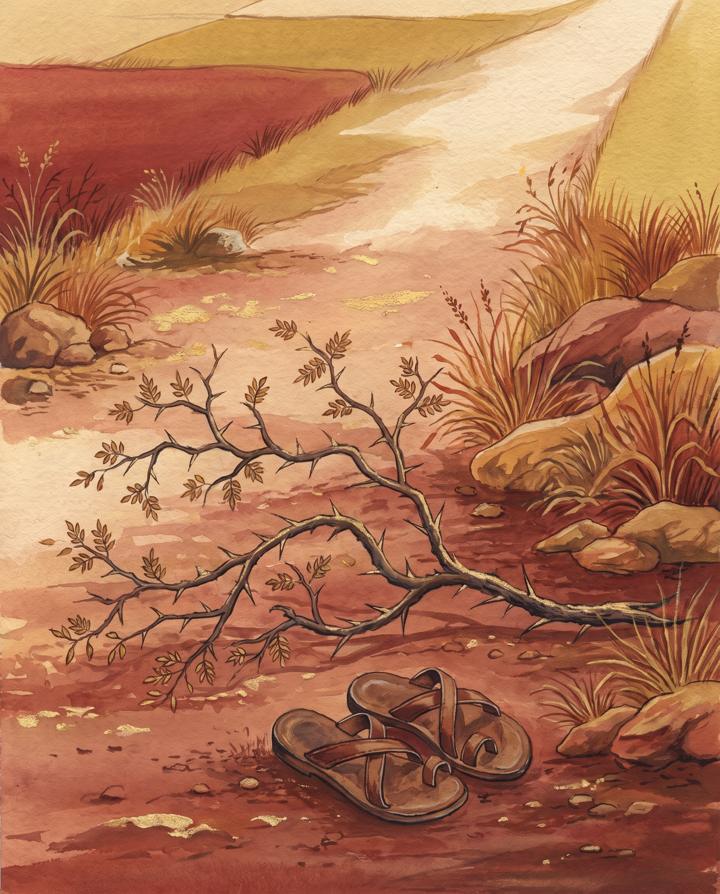
Aversion follows pain.
Word by word
- duḥkha
- pain
- anuśayī
- following after, resting on
- dveṣaḥ
- aversion
Where it fits
Aversion completes the pair begun in 2.7: the self of 2.6 pulls away from what has pained it, again through memory, as Vyāsa says (Woods p. 117). Attachment and aversion between them account for most everyday reactivity. Beneath both lies a deeper pull, the wish to go on existing, named in 2.9.
Reading
The mirror image of 2.7: aversion is what pain leaves behind, a push away from anything that might repeat it. It protects us, and it also narrows the world. Many things we avoid, whether people, places or practices, are avoided because of one old pain we no longer remember clearly.
Vyāsa
“In someone who has known pain, the resistance, resentment, urge to strike or anger toward pain, or toward what brings it about, that comes from remembering pain: that is aversion.”
Vyāsa's Yoga-bhāṣya, the oldest commentary. New translation from the Sanskrit, with reference to Woods (1914), p. 117.
Practice
Name something you avoid. Trace it back: when did the avoiding start, and what happened then? Today, take one small step toward it. If the memory is painful, stop and come back to the breath.
A question to sit with
What are you pushing away?
Key ideas
kleśa (afflictions), duḥkha (suffering), saṃskāra (latent impressions)