II. Sādhana Pāda · Avoiding suffering to come (2.15–2.17)
2.16 · The Suffering Not Yet Come
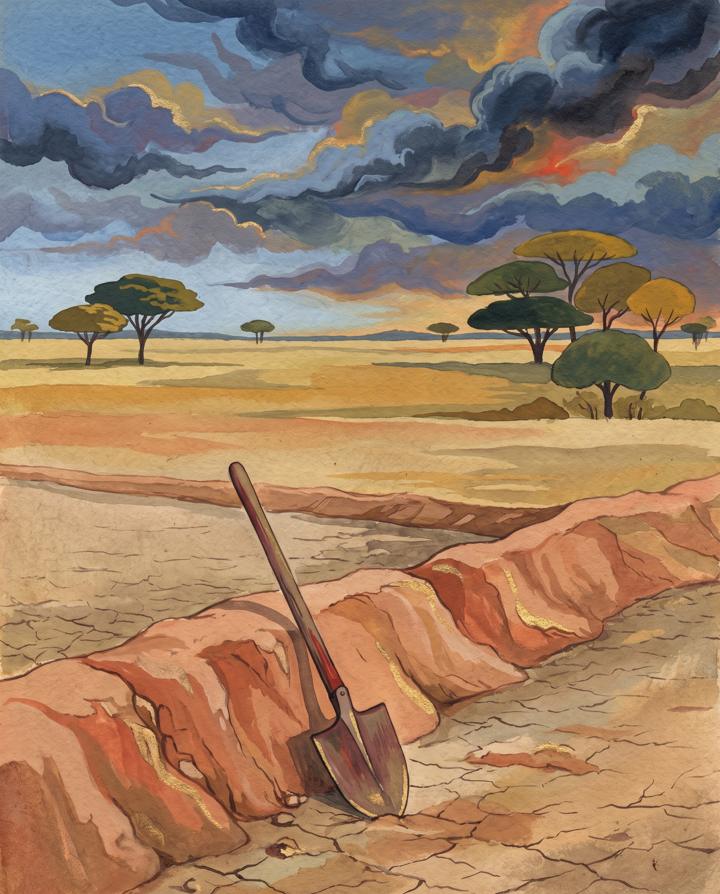
Suffering that has not yet come can be avoided.
Word by word
- heyam
- to be avoided
- duḥkham
- suffering
- anāgatam
- not yet come
Where it fits
The four-part frame of 2.15 begins, and Vyāsa announces it: this teaching is called four-fold (Woods p. 139). First, what is to be avoided. Not past pain, which is spent, nor present pain, already being felt, but pain still to come. Practice works on the future, which raises the question of cause (2.17).
Reading
Three words, and the whole aim of practice. Past suffering is spent. Present suffering is already being felt. What can still be avoided is the suffering that hasn't arrived yet. This is why yoga is a practice and not only a philosophy: it works on the future by changing the conditions now.
Vyāsa
“Past pain, already used up by being experienced, is not among the things that can be avoided. And present pain is already being experienced in its own moment … So only pain that has not yet come troubles the yogi, who is like an eyeball, and no one else who experiences it. Only that pain can be avoided.”
Vyāsa's Yoga-bhāṣya, the oldest commentary. New translation from the Sanskrit, with reference to Woods (1914), p. 139.
Practice
Think of something that reliably brings trouble: a row, a hangover, a missed deadline. What one change today would prevent the next one? Make that change.
A question to sit with
What suffering can you prevent today?